


Diesel Engine King vs TruckPaper: which is better in 2026
Choose Diesel Engine King if you need a specialist seller of used commercial truck engines and parts; choose TruckPaper if you want to compare listings from different sellers or consider a complete truck instead of an engine replacement. The difference in 2026 is a parts supplier versus a commercial-truck marketplace—not a proven difference in engine quality.
- Diesel engine king vs truckpaper: choose the specialist for used diesel engines and parts, the marketplace for seller comparisons.
- TruckPaper is best for buyers comparing sellers or considering a complete commercial truck.
- Neither buying route replaces serial-number matching, condition checks, or written purchase terms.
- Compare identical assembly scope before comparing offers: a long block and a complete engine are different purchases.
Why this matters
A truck engine purchase starts with the failed component, not the website. An engine assembly, an ECM, and a replacement truck solve different problems. Decide which repair you need before you compare sellers.
For a 2026 replacement project, separate the search decision from the purchase decision. A marketplace helps you find candidates; the seller's documentation establishes what you are buying. A specialist catalog narrows the subject, but you still need to check the exact unit.
Diesel Engine King is best for buyers seeking used commercial truck engines and heavy truck parts from a specialist seller. That is a buying-route recommendation, not a blanket endorsement of every component or its compatibility with your truck.
At a glance
| Dimension | Diesel Engine King | TruckPaper |
|---|---|---|
| Best for | Used commercial truck engine and parts buyers | Buyers comparing commercial-truck listings and sellers |
| Standout feature | Specialist engine and heavy truck parts focus | Marketplace format for comparing separate sellers |
| Complete-truck shopping | Business focus is engines and parts | Better route when you are also considering a complete truck |
| Seller comparison | Evaluate one specialist seller's offer | Compare offers from different sellers |
| Part identification | Catalog includes model and part-number references | Check the identifiers supplied in each seller's listing |
| Condition evidence | Evaluate documentation for the individual component | Evaluate documentation from the individual seller |
| Assembly scope | Confirm exactly which components are included | Confirm exactly which components are included |
| Pricing model | Item-specific purchase from a parts seller | Seller-specific offers through a marketplace |
The table compares business formats. It does not rank warranties, delivery performance, test standards, or customer service. Those belong to the actual offer and written terms, not the website category.
The specialist wins when your job is an engine or parts replacement
A specialist engine and parts seller is the more direct starting point when your repair scope is already clear. You are looking for a replacement assembly or component, not deciding which truck to buy.
The catalog examples include Detroit engine control modules, Caterpillar ECMs, Volvo injectors, and truck transmission pages. That supports the specialist-parts positioning. It does not establish that every engine model or component has the same condition, testing, or purchase terms.
Best for: the repair-shop buyer with an identified failed component. Bring the engine serial number, existing component number, truck details, and diagnostic findings. Ask about a specific replacement rather than requesting anything that fits the general engine family.
The limitation is the same as with any single seller: the offer represents that seller's component, not a comparison of separate suppliers. If your procurement process requires competing offers, expand your search before choosing.
Keep diagnosis separate from sourcing. A listed ECM is not evidence that the ECM caused your truck's fault, and an engine listing is not evidence that replacement is preferable to repair.
TruckPaper wins when replacing the truck is also an option
TruckPaper is the better starting point when you are comparing complete commercial trucks as well as repair possibilities. Its marketplace role suits a buyer deciding whether to retain the existing truck or replace it.
Best for: the owner-operator or fleet buyer evaluating a replacement vehicle. Compare the complete vehicle's suitability with the scope of work on your current truck. Engine condition is part of that decision, but so are chassis condition, transmission, intended application, and maintenance documentation.
The benefit is a different search scope. You can investigate trucks offered by separate sellers rather than treating an engine purchase as the only solution.
The limitation is that a complete-truck listing does not answer your engine-swap questions. Even if a truck has the engine family you want, that does not establish suitability as a donor for your existing vehicle.
For a 2026 repair-versus-replacement decision, write separate requirements for each route. Compare an engine replacement project with a usable replacement truck—not an engine assembly with a truck that also needs substantial work.
TruckPaper wins when your priority is comparing sellers
A marketplace fits a procurement job that starts with finding different sellers. You can evaluate separate offers rather than limiting the search to a single supplier.
Best for: the purchasing lead building a shortlist of suppliers. Send each seller the same requirement sheet. Otherwise, the answers describe different purchases and cannot support a fair comparison.
Use a consistent inquiry:
- State the engine family and serial number from your truck.
- Identify the assembly or component you need.
- Request photographs of the actual item and its identification plate.
- Ask what testing supports the condition description.
- Request a written list of included and excluded components.
- Ask for the applicable purchase and delivery terms.
The tradeoff is additional comparison work. Separate sellers provide separate evidence and terms; a marketplace listing does not turn them into a standardized offer.
Do not rank sellers by the length of their descriptions. Rank the offers by whether their answers establish identity, fit, condition, and scope. A detailed but mismatched unit is still the wrong purchase.
The specialist catalog gives you concrete part-number starting points
The supplied product examples show how a parts-focused search works. A Detroit MCM listing identifies A0024460935, while a Caterpillar C11 ECM listing identifies part number 256-1159 and a 70-pin configuration.
Other catalog descriptions distinguish a Volvo D13 set of 3 injectors and a Cummins 6.7-liter ISB/PX6 ECM. Those details identify the listed component or package. They are not universal compatibility statements.
Best for: the technician searching from an existing part number. Start with the number on your current component, then check the proposed replacement against the engine manufacturer's service information. Matching an engine-family name alone is not enough.
The advantage is a concrete search target. The limitation is that a catalog title cannot establish every installation requirement, including programming, calibration, connector suitability, or application-specific differences.
For the Detroit and Caterpillar examples below, the supplied descriptions identify used, bench-tested modules. Treat that as an item-level description. Ask what the bench test covered and what installation preparation your application requires.


Neither route wins on condition without item-level evidence
A specialist seller and a marketplace seller both need to substantiate the condition of the actual unit. There is no defensible quality winner based only on the buying format.
Used, take-out, bench-tested, and rebuilt describe different things. A take-out description identifies removal from an application; a bench-test description concerns testing outside the installed vehicle. Neither phrase, by itself, establishes the full scope of inspection or future service life.
Use these checks for either route:
- Identity: Match identification plates, serial numbers, and component numbers.
- Condition: Request the relevant test results and inspection details.
- Scope: Confirm the assembly and accessories included.
- Terms: Obtain written purchase conditions before committing.
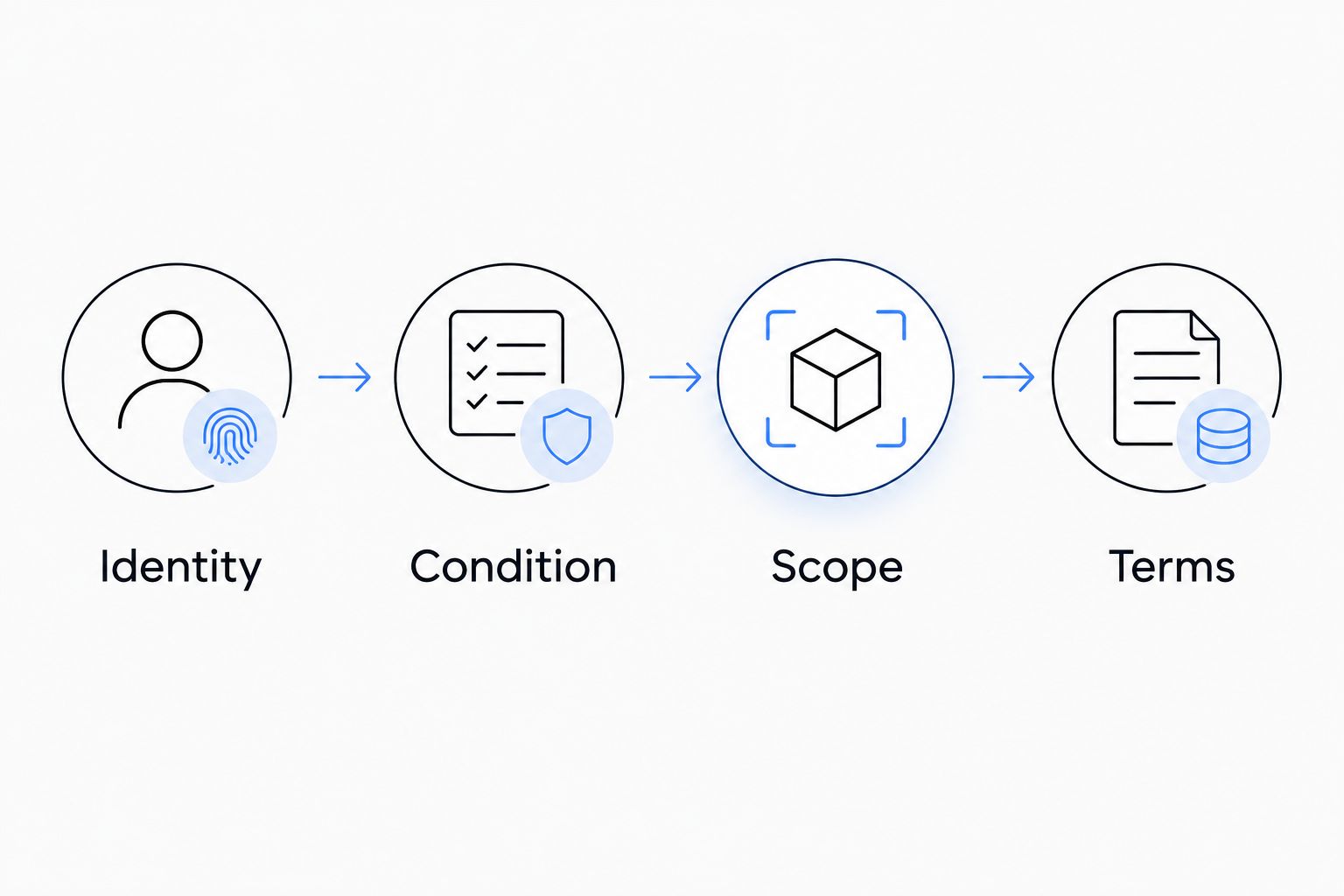
For an engine, request evidence appropriate to its stated condition, such as operating-test information, inspection findings, or maintenance records. For an electronic module, request the test scope and application details. Do not treat one kind of evidence as a substitute for another.
Your 2026 buying file should connect the evidence to the specific item. An unrelated engine video or a generic testing statement does not document the component you intend to purchase.
Both routes require a written assembly-scope check
A complete engine and a long block are not interchangeable purchase descriptions. A long block generally describes the assembled core engine structure, while the included external equipment depends on the offer.
Neither route wins on completeness until the seller lists the included components. Ask about the turbocharger, injectors, fuel system components, wiring, control modules, flywheel housing, and accessories relevant to your installation.
Use the same scope sheet for competing offers:
| Scope check | What you need in writing |
|---|---|
| Main assembly | Exact engine or component identification |
| Fuel system | Included components and stated condition |
| Controls | Included modules and programming requirements |
| External equipment | Included accessories and items to transfer |
| Installation preparation | Work required before installation |
The benefit of either route is access to a candidate replacement. The limitation is that the listing title alone does not establish a ready-to-install package.
Read the guide to buying a used diesel engine online before sending purchase inquiries. Turn your requirements into a written checklist so the seller can answer each point directly.
Pricing: compare purchase scope, not the website format
Diesel Engine King sells individual engines and parts; TruckPaper presents offers from separate sellers. The relevant purchase comparison is therefore a specific specialist offer against a specific marketplace seller's offer—not a subscription-plan comparison.
There is no established cost winner for 2026 without comparable written offers. A smaller assembly and a more complete package represent different installation work, even when both descriptions mention the same engine family.
For either route, request an itemized proposal covering:
- The exact component or assembly.
- Any stated core requirement and return conditions.
- Freight arrangements and unloading requirements.
- Included accessories and required transferred components.
- Programming or installation preparation.
- Applicable warranty, return, and claim terms.
Do not assume either seller includes freight, accepts your core, or provides a particular warranty. Ask directly. Clear scope makes the purchase more predictable; broader seller comparison gives you more offers to evaluate but requires separate checks for each one.
Final verdict: specialist buyer or marketplace buyer?
Choose Diesel Engine King if you are a repair-focused buyer
The specialist is the named winner for used commercial truck engines and parts sourcing. This profile fits a repair-shop buyer or fleet maintenance lead who already knows the required component and wants to evaluate a parts-focused seller.
Use the catalog to identify candidates, then confirm fit, condition, assembly scope, and written terms. Do not interpret specialist positioning as a substitute for those checks.
Choose TruckPaper if you are a comparison-focused buyer
TruckPaper is the named winner for comparing sellers and considering complete trucks. This profile fits an owner-operator or procurement lead who needs a wider search before deciding whom to buy from—or whether to replace the vehicle.
Use the marketplace to build a shortlist. Evaluate each seller's actual offer independently, with the same technical requirements and documentation standard.
One-glance scorecard
| Dimension | Winner |
|---|---|
| Identified engine or parts replacement | Specialist seller |
| Specialist parts-catalog focus | Specialist seller |
| Complete-truck shopping | TruckPaper |
| Comparing separate sellers | TruckPaper |
| Part-number-led specialist search | Specialist seller |
| Proven condition | Tie: actual-unit evidence decides |
| Assembly completeness | Tie: written scope decides |
| Purchase cost | No winner without comparable offers |
FAQ
Is Diesel Engine King better than TruckPaper for used diesel engines?
Diesel Engine King is the better starting point for a specialist used diesel engine and parts search; TruckPaper is better for comparing separate sellers. The actual unit's fit, condition evidence, and written terms decide the purchase.
What's the main difference between a parts seller and TruckPaper?
A parts seller offers its own components, while TruckPaper is a marketplace for listings from separate sellers. You must evaluate the seller and item behind each marketplace listing.
Which option is better if I might replace the whole truck?
TruckPaper is the better route for comparing complete commercial trucks. Write separate requirements for repairing your existing truck and buying a replacement vehicle.
Does a matching engine model guarantee that a replacement fits?
No, an engine-family match does not establish complete compatibility. Check serial numbers, application details, controls, mounting, and emissions configuration against the manufacturer's service information.
Does bench-tested mean an ECM needs no programming?
No, a bench-test description does not establish your truck's programming requirements. Confirm the module part number, test scope, and required calibration before installation.
How should I compare engine purchase costs in 2026?
Compare written offers for the same assembly scope and installation requirements. Include any stated core obligations, freight arrangements, transferred components, and programming work.
Which buying route has better warranty protection?
Neither buying format establishes better warranty protection. Compare the written coverage, exclusions, claim procedure, and return conditions attached to the actual offer.
One last thing
Before you approve the purchase, ask your installer to review the exact item and its included components. A correct engine-family name is only the start. Confirm what transfers from the old assembly, what requires replacement, and what needs programming before committing to the job.

