


Used CAT C12 Engine for Sale: Best Choice in 2026
Best overall: a complete used Caterpillar C12 takeout with matching identification and a documented running test. Best for a planned rebuild: a C12 long block matched to your existing components. Best for a shop equipped to inspect and rebuild an engine: a C12 core. If you’re searching for a used CAT C12 engine for sale in 2026, start with the engine serial number and included-components list, not the seller’s description of its condition. Diesel Engine King is a starting point for used commercial truck engines and parts inquiries, but any C12 candidate still needs unit-specific verification.
- Best used CAT C12 engine for sale in 2026: choose a complete takeout with matching identification and a documented running test.
- Choose a C12 long block when your shop can verify and transfer the external components it needs.
- Choose a C12 core only when you have a rebuild plan and can inspect the major castings.
- Diesel Engine King is a source for used commercial truck engines and parts, not a substitute for checking the individual unit.
Why this matters
A C12 label identifies an engine family, not a ready-to-install match. Your truck’s engine serial number, electronic controls, mounting arrangement, accessories and emissions configuration determine what the replacement job involves. Two assemblies described as Caterpillar C12 engines can require different work before installation.
A documented complete takeout is the default choice for a truck that needs an engine replacement. A long block shifts more parts-matching and assembly work to your shop. A core shifts the rebuild and its findings there as well. In 2026, sort candidates by that workload before comparing their advertised condition.
What makes the best used Caterpillar C12 engine
Use these criteria before accepting a listing as a match:
- Identification: Get a readable engine serial plate and the identifying information from the truck receiving the engine. Have your installer check the match.
- Operating evidence: Request a cold-start video, running footage and any available test record. A start-up clip alone does not document performance under load.
- Included components: Confirm what remains on the assembly, including the ECM, wiring, turbocharger, manifolds and accessories. Do not treat a photo as an inventory.
- Condition records: Ask for available mileage or hours, donor-vehicle information, maintenance records and the reason the engine was removed. Mark anything unverified as unknown.
- Installation scope: Identify the components your shop will transfer, inspect or replace. Check the required configuration before the old engine comes out.
- Inspection access: Establish what your mechanic can inspect and document before installation. An unsupported condition label carries less weight than evidence tied to the actual unit.
A seller’s term such as complete, tested or rebuildable needs a written definition for the specific engine. Ask which components are included, what test was performed and whether the record identifies that engine’s serial number. That turns a broad listing into an install plan.
Used C12 options at a glance
| Option | Best for | Standout feature | Key limitation |
|---|---|---|---|
| Documented complete C12 takeout | Direct engine replacement | Includes an assembly your shop can identify and inspect as a unit | Included components and truck fit still require verification |
| Documented C12 takeout without a running test | Buyers with an inspection plan | Donor and identification records can support further checks | Running condition remains unverified |
| C12 long block | Shops retaining known external components | Concentrates the purchase on the engine’s internal assembly | Your shop must match and transfer external parts |
| Rebuildable C12 core | Shops planning a teardown | Provides an engine to inspect for a rebuild | Internal condition is unknown until inspected |
The table ranks buying paths, not engines currently listed for sale. Diesel Engine King’s supplied product information does not identify a specific C12 assembly, so no individual unit earns a recommendation on this page. In 2026, ask for the evidence in the table before committing to any candidate.
1. Documented complete C12 takeout: best for direct replacement
A complete takeout is the strongest default when your truck needs an engine replacement and your shop wants to inspect the assembly before installation. Look for a serial number, a written component list and evidence from the same unit running before removal or on a test stand. Have your installer check what the assembly contains against the truck’s requirements.
Documented complete C12 takeout pros:
- Keeps the major visible components together for inspection.
- Gives your installer one assembly to identify against the truck.
- Can include running evidence tied to the unit being considered.
Documented complete C12 takeout cons:
- Complete does not mean every part needed for your truck is included.
- A running video does not rule out internal wear.
- Unverified electronics or accessories can add installation work.
Best for: A truck owner or fleet shop replacing a C12 with the closest verifiable configuration. Verdict: Buy when identification, included parts and operating evidence check out; otherwise hold.
Diesel Engine King’s used-engine category fits this type of inquiry, but the name on a seller’s site cannot establish an individual engine’s condition. For 2026 purchases, have the shop that will install the engine review the exact assembly before approving it.
2. Documented C12 takeout without a running test: best for inspected repairs
A takeout without running evidence can still be evaluated if its identification and donor history are documented and your shop can inspect it. This is a different decision from buying a tested assembly: the buyer accepts that operating condition has not been demonstrated. Request clear photos of the serial plate, external damage and open ports, then agree on an inspection plan before work begins.
Documented untested C12 takeout pros:
- Identification and donor records give your shop a basis for checking fit.
- An inspection plan can define the work required before installation.
- The unit remains an option when running evidence is unavailable.
Documented untested C12 takeout cons:
- It has not demonstrated starting, oil pressure or running behavior.
- Inspection can reveal work that changes the replacement plan.
- A removal reason is not proof of internal condition.
Best for: A repair shop prepared to inspect a documented engine before installation. Verdict: Hold until identification and the inspection plan are accepted; skip a unit whose identity cannot be confirmed.
3. C12 long block: best for shops retaining external components
A long block suits a job where your shop intends to reuse compatible external components from the existing engine. The term describes the assembly scope, not an identical list of included parts from every seller. Require a written inventory and have the installer decide whether the existing ECM, wiring, fuel-system parts, turbocharger and accessories are usable and appropriate for the build.
CAT C12 long block pros:
- Centers the job on the engine assembly when external parts are already available.
- Lets the shop inspect parts it plans to retain.
- Makes the component-transfer plan explicit before installation.
CAT C12 long block cons:
- Requires more transfer and verification work than a suitable complete takeout.
- Worn retained components can undermine the finished repair.
- The label alone does not settle which components are included.
Best for: A fleet shop or engine installer with a verified plan for external components. Verdict: Buy only after the included-parts list and transfer plan match the truck; otherwise hold.
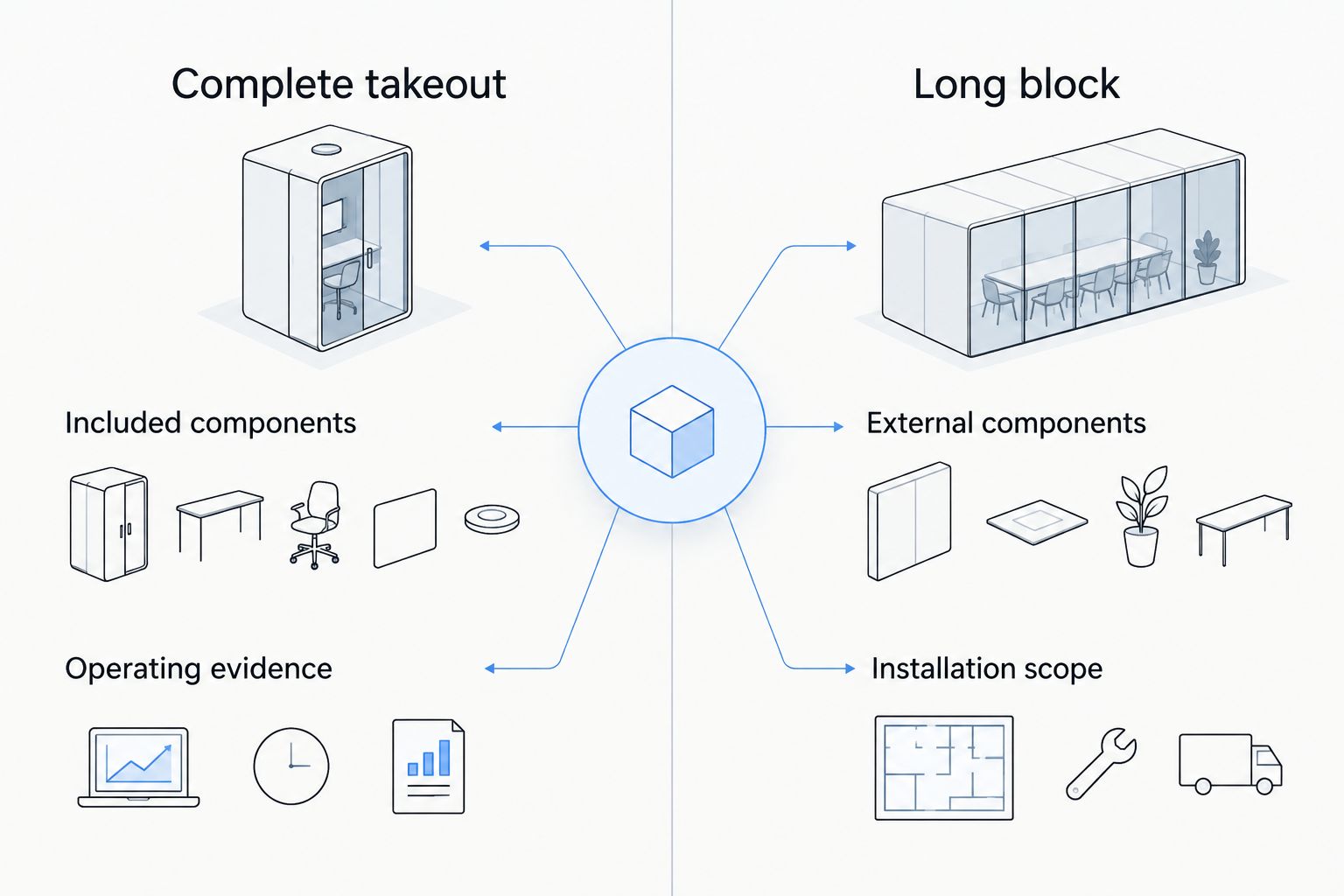
For either assembly, record which parts are being reused and which are included with the replacement. The installer should resolve that list before removing the original engine. CAT C12 engine parts for fleet rebuilds is the relevant next read when the job involves component-by-component planning.
4. Rebuildable C12 core: best for a planned teardown
A core is a rebuild project, not a tested replacement. Its value to your shop depends on what inspection finds in the block, head, crankshaft and other major components. Get the serial number and an exact inventory, then establish what can be examined before your shop commits to the rebuild.
Rebuildable C12 core pros:
- Gives an engine builder a defined starting assembly for teardown.
- Allows the rebuild plan to follow measured condition rather than a running claim.
- Can suit a shop already scheduling machining and parts inspection.
Rebuildable C12 core cons:
- Internal damage remains unknown until inspection.
- Missing components can interrupt the rebuild plan.
- It is not an immediate replacement for a truck that must return to service.
Best for: An engine shop equipped to tear down and assess a C12. Verdict: Hold until the major castings and included parts can be assessed; skip it for a direct replacement.
How these options rank
The ranking puts documented identity and usable operating evidence ahead of a condition label. It then accounts for how much assembly and inspection work moves to your shop. That is why a verified complete takeout leads, an untested takeout needs a defined inspection step, and a core ranks last for a direct replacement.
This is a decision order, not a claim that every complete takeout is better than every long block. A poorly identified complete engine loses to a correctly matched long block with a clear installation plan. In 2026, apply the criteria to the individual engine, not just its category.
Which used Caterpillar C12 engine should you choose?
Choose a documented complete C12 takeout by default. Give your installer the serial number, component inventory and operating evidence before approving the engine. If those records are unavailable, stop treating the assembly as a verified direct replacement.
Choose a long block when your shop has confirmed the external components it will retain and the work required to install them. Choose a core only for a planned rebuild. A documented but untested takeout sits between those decisions: it needs inspection before installation, not a condition assumption.
For a 2026 used CAT C12 engine for sale, use this order when speaking with any seller:
- Identify the engine. Request a clear serial-plate photo and confirm the identification against the receiving truck.
- Define the assembly. Get the included and missing components in writing, rather than relying on complete or long block as a universal definition.
- Check the evidence. Match any running video or test record to the engine being considered. Ask what was actually measured.
- Assign the work. Have your installer list the parts to transfer, inspect or replace before the truck is disassembled.
- Resolve unknowns. Treat missing operating records, unknown donor history and uninspected internal condition as separate issues to investigate.
FAQ
What is the best used CAT C12 engine for sale in 2026?
A complete C12 takeout with verified identification, a written component inventory and documented running evidence is the best default for direct replacement. Your installer must still check the specific unit against the receiving truck.
Is a CAT C12 long block better than a complete used engine?
A C12 long block is better when your shop has compatible external components and a confirmed transfer plan. A documented complete takeout is the simpler starting point for a direct replacement.
Can I install an untested used C12 engine?
Do not treat an untested C12 as a verified running replacement. Have a qualified shop identify and inspect the specific engine before approving installation.
What should I ask for before buying a used Caterpillar C12 engine?
Ask for the engine serial number, included-components list, donor information and any unit-specific operating records. Give those records to the installer for a fit and work-scope check.
Does complete mean a used C12 includes the ECM and turbocharger?
No. Complete is not a fixed component inventory across sellers. Confirm the ECM, turbocharger, wiring and every other required component in writing for the individual assembly.
Is a rebuildable C12 core ready to install?
No. A rebuildable core is an engine for teardown and assessment, not a verified running replacement. Its major components need inspection before a rebuild plan is set.
Can a C12 serial number confirm that an engine fits my truck?
The engine serial number is a starting point, not a complete fit check. Your installer must also review the receiving truck’s configuration and the components supplied with the replacement.
One last thing
Ask the installer to mark every required component as included, retained from the old engine or still needed. That short list exposes the gap between a promising C12 listing and an engine your shop can actually install. In 2026, resolve the gap before the truck comes apart.

