


Managing Diesel Engine Inventory for Fleets: A Practical Guide
Last Updated: November 22, 2026
Quick Summary
Managing diesel engine inventory means keeping one unified list of engine parts, fluids, and bulk fuel, then setting reorder points so the right parts are on the shelf when trucks need them. Calculate each reorder point from daily use, supplier lead time, and a safety buffer, and rank critical components so downtime-sensitive parts get the most stock.
- Reorder point equals average daily use times lead time in days, plus safety stock.
- Use a 90-day trailing window of parts-issue records to calculate average daily use.
- Rank parts A, B, or C by failure impact, lead time, and fitment breadth.
- A items should be counted weekly or every two weeks using a blind count procedure.
- Investigate every count variance the same day rather than adjusting the record immediately.
Table of Contents
- Why Diesel Engine Inventory Affects Fleet Uptime
- Building a Unified Inventory List for Engines, Fluids, and Bulk Fuel
- Setting Reorder Points and Stocking Critical Components
- Aligning Stock With a Diesel Engine Preventive Maintenance Schedule
- Using a Fleet Maintenance Checklist for Inventory Accuracy
- Estimating Commercial Truck Engine Replacement Costs
- Sourcing Verified Replacement Engines to Protect Your Inventory Plan
- Frequently Asked Questions
Why Diesel Engine Inventory Affects Fleet Uptime
Every hour a truck sits idle costs money. For a fleet, the cause is often simple: the part needed to fix the truck isn't on the shelf.
Here is the core problem. Stock too little and downtime climbs. Stock too much and cash sits on shelves, and parts can go obsolete.
- Downtime hits revenue on every idle day
- Overstocking ties up cash and risks obsolete parts
- Understocking pushes repairs out to outside shops at a premium
Engine-related failures are a common source of unplanned repairs, so treat the engine as a priority in your inventory plan, not an afterthought.
Building a Unified Inventory List for Engines, Fluids, and Bulk Fuel
Most fleets track engine parts, fluids, and fuel in separate spreadsheets. That split makes it hard to see the full picture.
Start by sorting items into three groups:
- Engine parts: Filters, gaskets, sensors, and major replacement assemblies
- Fluids: Engine oil, coolant, diesel exhaust fluid, and transmission fluid
- Bulk fuel: Diesel stored in on-site tanks, tracked by level and dispense logs
For each item, record the part number, the vehicles it fits, the current count, and the supplier.
Watch out: A list nobody updates becomes wrong within weeks. Assign one person to own it and review it on a fixed schedule.
Setting Reorder Points and Stocking Critical Components
A reorder point is the stock level that triggers a purchase order. Set it too low and the truck waits on a part; set it too high and cash sits on the shelf.

Calculating Reorder Points for Engine Parts
The working formula is:
Reorder point = (average daily use × lead time in days) + safety stock
Each input has a real source, not a guess:
- Average daily use: Total units consumed over a trailing window (90 days is a common choice) divided by the days in that window. Pull the number from your maintenance system's parts-issue records, not from memory.
- Lead time: Days from purchase order to receipt at the dock, measured from your own receiving logs. Use the average, but also note the longest lead time you saw in the last year.
- Safety stock: Extra units that absorb demand spikes and late deliveries.
A practical safety-stock calculation uses demand and lead-time variability:
Safety stock = Z × √(lead time × demand variance) + (average daily use² × lead-time variance)
In plain terms: multiply a service-level factor (Z) by the combined variability of daily use and delivery timing. A Z of about 1.65 corresponds to roughly a 95% service level, and 2.33 to roughly 99%.
Worked example: A fleet uses 2 oil filters per day on average, with a standard deviation of 0.5 filters per day. The supplier's average lead time is 5 days with a standard deviation of 1 day. At a 95% service level (Z = 1.65):
- Lead-time demand = 2 × 5 = 10 filters
- Safety stock ≈ 1.65 × √(5 × 0.25 + 4 × 1) ≈ 1.65 × √5.25 ≈ 3.8, round to 4 filters
- Reorder point = 10 + 4 = 14 filters
That is a different answer than the naive "10 plus a buffer" version, and it is the number that survives a real demand spike.
Watch out: Using a single average lead time hides the supplier that occasionally takes three weeks. If your receiving logs show a long tail, either raise safety stock on that part or qualify a second supplier before the stockout happens.
Prioritizing Downtime-Sensitive Components
Not every part deserves the same buffer. Rank components on three factors:
- Failure impact: Does the failure sideline the vehicle (no-start, derate, tow-in) or is it a drivability nuisance?
- Lead time: A part with a 30-day lead time needs a deeper buffer than one available overnight from a local distributor.
- Fitment breadth: A part that fits many trucks in your fleet earns a higher stock position than one that fits a single unit.
A simple A/B/C scheme works:
- A items: No-start or derate risk, long lead time, or wide fitment. Stock to a high service level and keep a designated bin location.
- B items: Moderate impact or short lead time. Stock to a moderate service level.
- C items: Cosmetic or easily sourced locally. Stock minimally or order on demand.
Typical A-item candidates on a diesel fleet include fuel filters, oil filters, serpentine belts, coolant hoses, sensors that trigger a derate (such as NOx and DPF-related sensors), and injector or turbo components where a failure removes the truck from service.
Review the ranking quarterly. A part that was a C item when a local distributor stocked it can become an A item when that distributor drops the line.
Connecting Reorder Points to Bulk Fuel
Bulk diesel deserves the same math. Treat tank level as on-hand inventory, daily dispensing as average daily use, and supplier delivery lead time as lead time. Set a reorder point that covers delivery delay plus a buffer for a busy week. If your tanks have level sensors, pull daily usage from the dispense logs rather than estimating from fuel-card totals, which lag by days.
Aligning Stock With a Diesel Engine Preventive Maintenance Schedule
Your diesel engine preventive maintenance schedule tells you what parts you will need and when. Use it to plan your inventory, not to react after a breakdown.
- List every service interval for each engine type
- Calculate the parts needed for each upcoming service
- Order ahead of the service date, allowing for lead time
When a service is due, the parts should already be on the shelf. This turns maintenance from a crisis into a routine task.
Using a Fleet Maintenance Checklist for Inventory Accuracy
Records drift. A part gets pulled for an emergency repair and never logged, a core is returned to the wrong bin, or a fuel delivery is entered twice. The fix is a cycle-count program tied to a written checklist, not one annual count that closes the year with a surprise.
Designing the Cycle-Count Schedule
Cycle counting means checking a small, rotating set of items on a fixed cadence so every item is verified several times a year. A common pattern:
- A items: Count weekly or every two weeks.
- B items: Count monthly.
- C items: Count quarterly.
Spread the counts across the week so no single day depends on one person. A count of 10 to 20 line items per day is enough for many mid-size fleets and takes under an hour.
The Count Procedure
A repeatable procedure matters more than the count frequency:
- Freeze the bin. Do not issue or receive from the bin being counted until the count is recorded.
- Count blind. The counter records the physical quantity without seeing the system quantity. This catches the tendency to "count to the expected number."
- Record the location. Note the bin, shelf, and any secondary location. A part in the wrong bin is effectively a stockout when a technician needs it.
- Compare to the system. Enter the physical count and let the maintenance system flag the variance.
- Investigate the same day. A variance is a signal, not a rounding error. Check recent issues, returns, cores, and receiving entries before adjusting the record.
- Adjust and document. Post the correction with a reason code so the pattern is visible over time.
Watch out: Adjusting the system to match the shelf without investigating hides the cause. A recurring variance on the same part usually points to an unlogged issue, a mislabeled bin, or a supplier short-ship.
Bin Locations, Labels, and Barcode or RFID Use
Accuracy starts with physical organization:
- Assign every part a fixed bin location and record it in the maintenance system.
- Label bins with the part number and description, not just a name that technicians use informally.
- Keep like parts together but separate similar part numbers that are easy to confuse.
Reconciling Fuel and Fluid Records
Fuel and fluids drift differently from parts. Reconcile tank readings against dispense records on a set schedule:
- Compare physical tank level (from a gauge or manual stick reading) to the level the system expects after accounting for deliveries and dispensing.
- Compare dispense-log gallons to fuel-card transactions. A gap between the two is a signal worth investigating.
- Reconcile bulk oil and diesel exhaust fluid the same way, since both are issued in volume and easy to lose track of.
A persistent gap between tank readings and dispense records is one of the earliest signs of a meter error, a delivery shortfall, or fuel loss. Catching it in a weekly reconciliation is far cheaper than catching it at year-end.
Measuring Whether the Program Works
Track a small set of numbers so the checklist has teeth:
- Count accuracy: Percentage of counted items that match the system record. Most fleets target 95% or better on A items.
- Variance rate: Number of adjustments per 100 counts, by reason code.
- Stockout frequency: How often a needed part is not on the shelf when a repair starts.
Review these monthly with the person who owns the inventory list. A rising variance rate on one part category is an early warning that the procedure, not the people, needs attention.
Estimating Commercial Truck Engine Replacement Costs
Sometimes a rebuild is not enough and you need a full replacement engine. Costs vary widely by engine type, condition, and warranty terms. Build your budget around the realistic options:
| Option | Typical Use | Key Consideration |
|---|---|---|
| New factory engine | Long-term fleet core units | Highest upfront cost |
| Remanufactured engine | Balanced cost and reliability | Confirm warranty terms |
| Used run-tested engine | Fast replacement, tight budgets | Verify testing and history |
For a current example, the DieselEngineKing 2016 Cummins ISX15 550HP CPL 4588 Engine is listed at $18,000.00 with a 6 month warranty and $500 flat rate freight within the Lower 48 States. The 2020 Cummins X15 Engine for Sale 565HP CPL 4343 is listed at $19,000.00 with a 6 month warranty. Compare listed prices against your own budget and total cost of downtime.
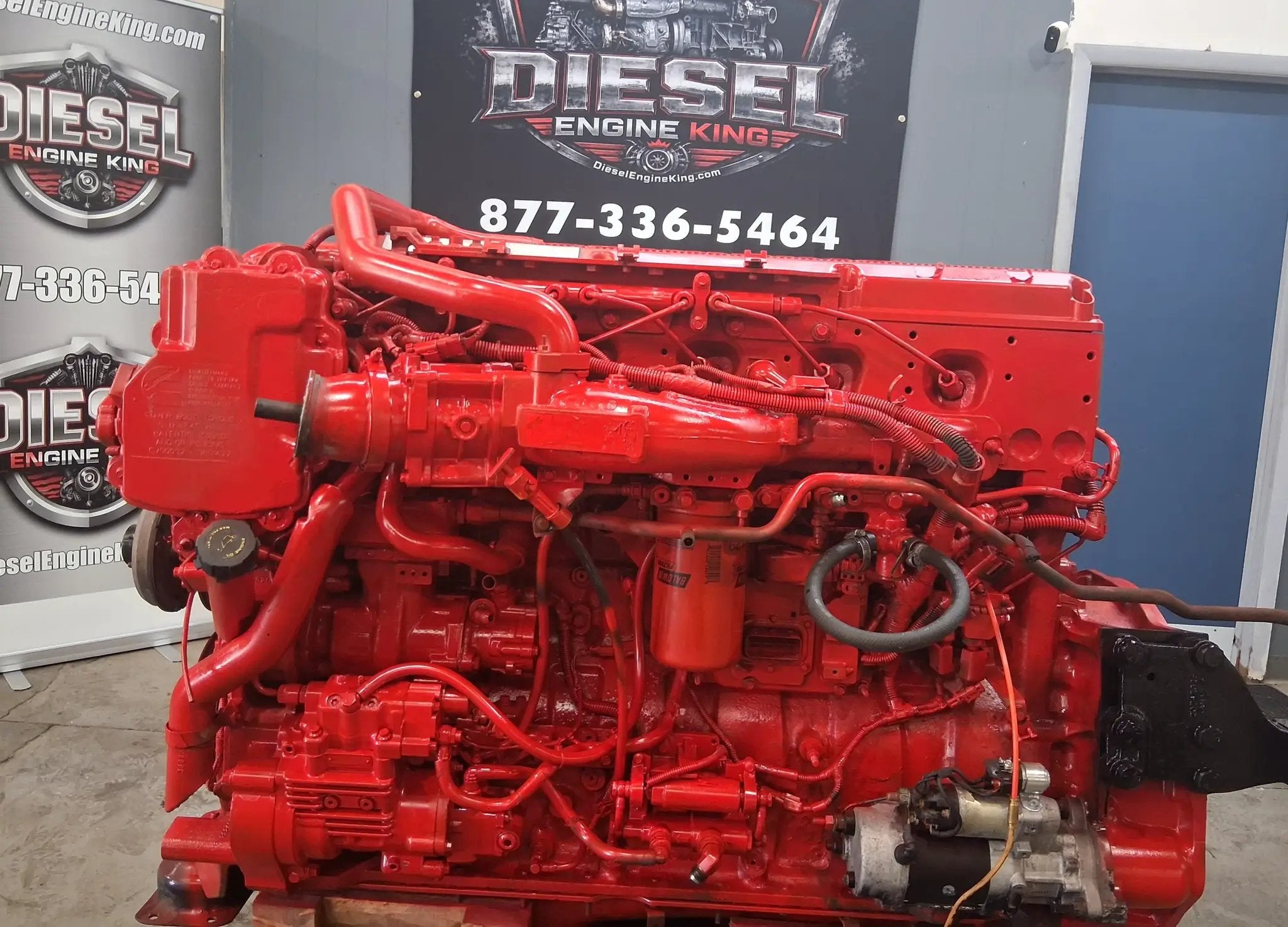
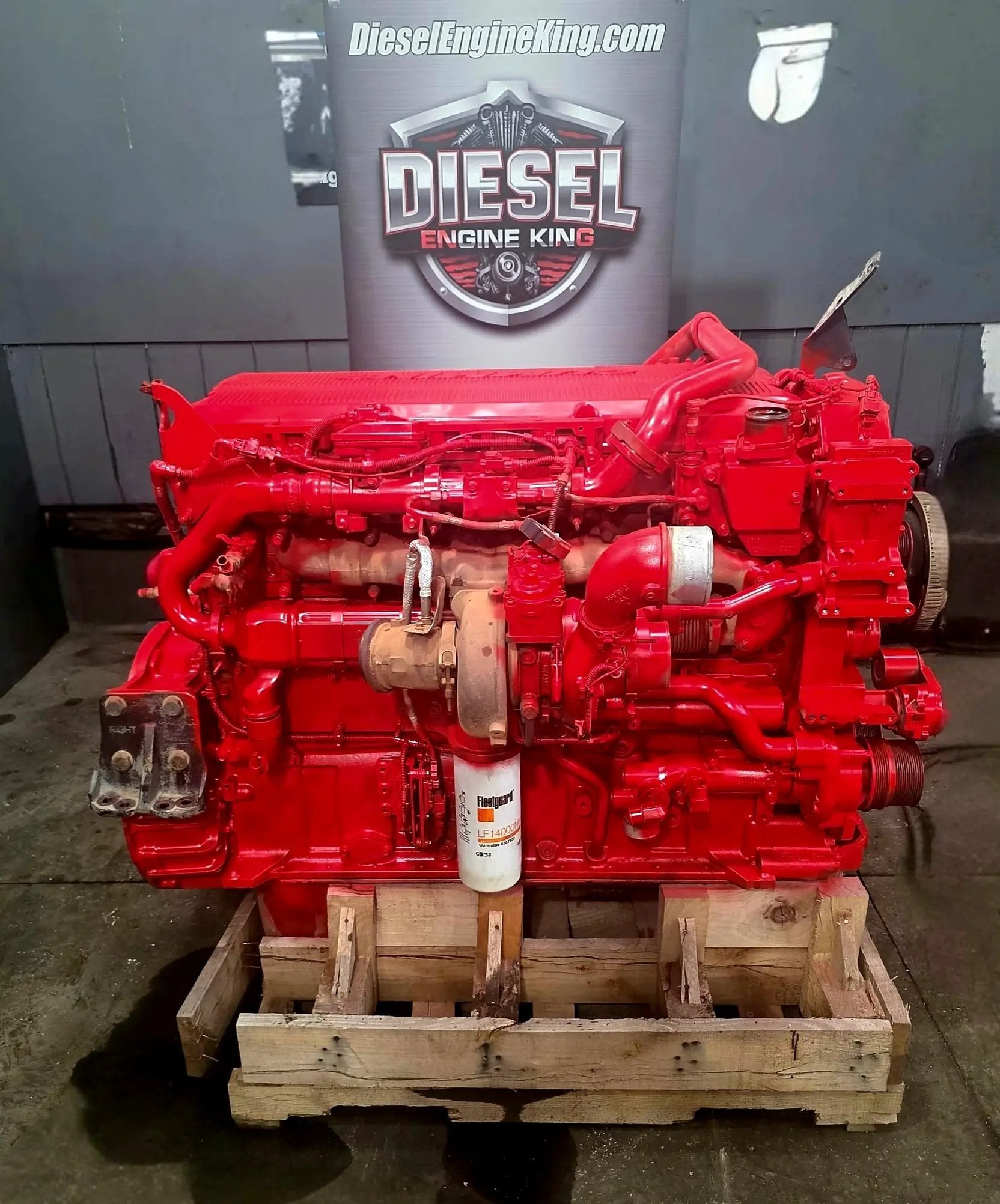
Diesel engine replacement options by listed price
Sourcing Verified Replacement Engines to Protect Your Inventory Plan
When a critical engine fails, the replacement decision shapes your inventory plan. Buy from a source that verifies what it sells.
Ask every supplier these questions:
- Has the engine been run tested, and can you see the test video?
- Does the engine model and serial number match my truck's application?
- What is the warranty, and who covers freight if the unit arrives damaged?
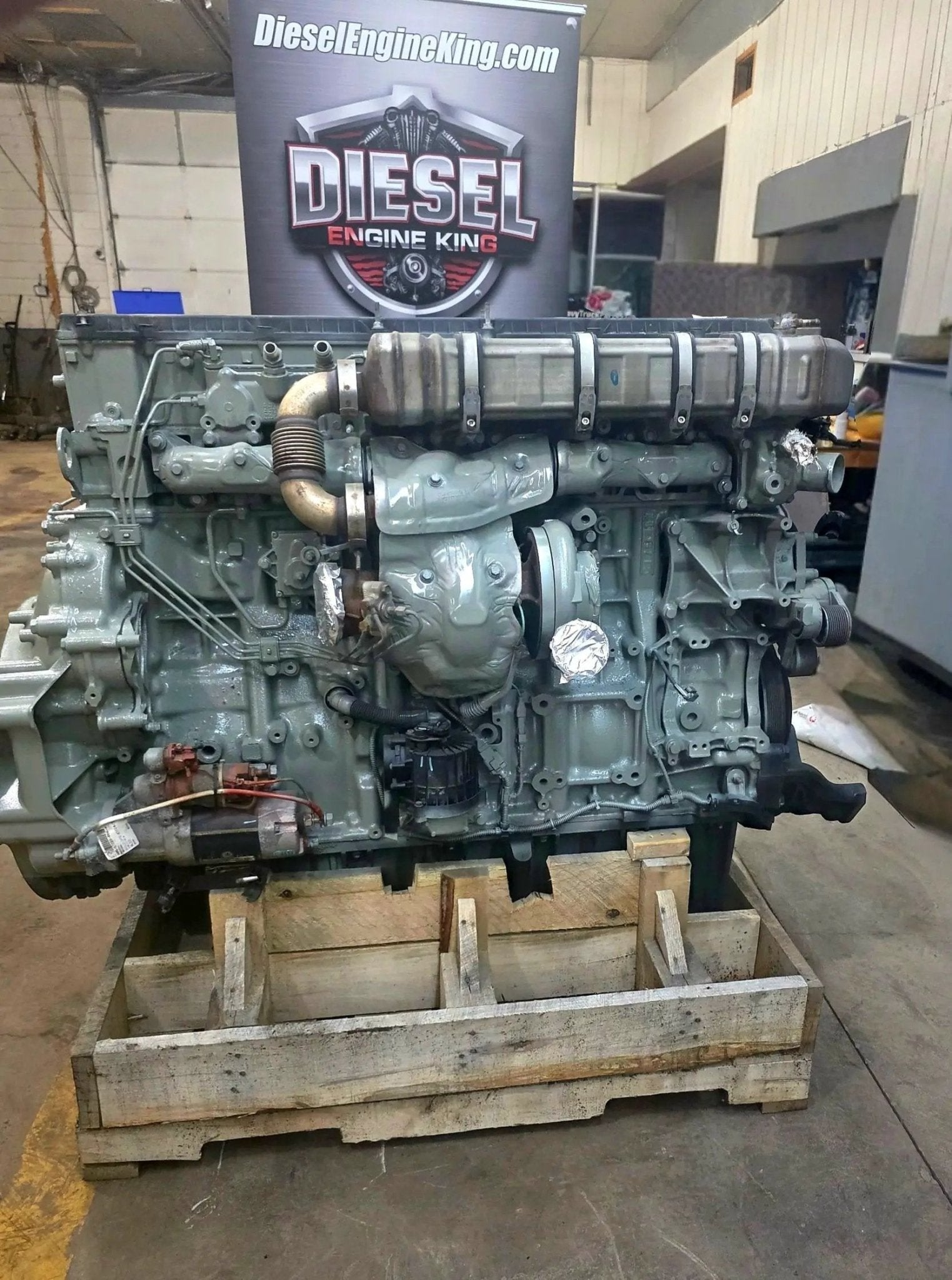
For example, the 2018 Detroit DD15 Engine for Sale is listed at $13,500.00, fully run tested and inspected, with a 6 month warranty. Matching verified specs to your fleet keeps your stock useful instead of stranded.
Need help matching a configuration to your trucks? Get expert fitment assistance from DieselEngineKing before you order.
Managing diesel engine inventory is an ongoing task, not a one-time project. Start with one unified list, set reorder points for your most critical parts, and tie your stock to your maintenance calendar.
Frequently Asked Questions
How should a fleet manager track diesel engine inventory?
Track each engine and major component by serial number, engine model, part number, location, and status (in stock, installed, on order, or retired). Pair this record with installation dates and hours or mileage so you can see when a unit is nearing its service interval. A single shared spreadsheet or fleet parts inventory management system works well for small fleets, while larger operations benefit from software that flags low stock automatically. Review counts at least monthly and reconcile them against physical stock to catch discrepancies early.
How many spare diesel engines should a fleet keep in inventory?
There is no universal number. The right count depends on fleet size, how many engines are past their rebuild window, how long a replacement takes to arrive, and how costly an hour of downtime is for your operation. Many fleets start by holding spares for their highest-mileage or most critical units and adjust based on actual failure and lead-time data. Sourcing verified, run-tested replacements on demand can reduce how many spares you need to carry.
What should a fleet record for each diesel engine?
Record the engine make, model, serial number, and configuration (such as CPL or calibration number), along with the vehicle it powers, installation date, odometer or engine hours, service history, and warranty terms. Keep notes on fitment verification and any sensor or ECM part numbers tied to that configuration. Complete records make it faster to match a replacement to the truck and to confirm what has already been done to the unit.
When should a fleet repair an engine instead of replacing it?
Compare the expected repair cost, including labor and downtime, against the cost of a verified replacement engine and the remaining service life of the existing unit. Repair may make sense when damage is limited and the engine has substantial life left. Replacement often makes more sense when internal damage is extensive or when a run-tested replacement can be installed faster than a repair can be completed.


