


How to Ship a Used Diesel Engine Without Freight Damage
Quick Summary
Used diesel engine freight is risky because engines are heavy, hold sealed fluids and often hide defects that transit can worsen. Protect yourself by documenting condition before pickup, draining and capping all ports, securing the engine on a suitable base, and confirming declared value and carrier liability in writing.
- Photograph all four sides, the top and the data plate before the engine is loaded.
- Drain oil, coolant and fuel residue completely and cap or tape every port.
- Choose a crate for high-value or fragile units; standard pallets suit lower-value cores.
- Set declared value on the bill of lading based on full replacement cost, not invoice price alone.
- Note specific exceptions on the delivery receipt before signing, and keep the original packaging until the claim closes.
Table of Contents
- Why Used Diesel Engine Freight Carries Higher Risk
- Documenting Condition and Chain of Custody Before Pickup
- How to Ship an Engine: Preparing It for Freight
- Engine Shipping Pallet and Crate Options Compared
- Choosing Freight Method and Understanding Carrier Liability
- When an Engine Arrives Damaged: Inspection and Claim Steps
- Scheduling Your Next Engine Delivery With DieselEngineKing
- Frequently Asked Questions
Why Used Diesel Engine Freight Carries Higher Risk
Shipping a used diesel engine freight load is not the same as shipping a box of parts. An engine weighs hundreds of pounds, has fluids sealed inside, and often carries wear or defects that nobody can see from the outside.
The risk is real for fleet managers, repair shops and owner-operators alike. Diesel fuel costs remain the top concern for the trucking industry, according to the American Transportation Research Institute's 2026 Top Industry Issues survey, which means carriers are under pressure and handling standards can vary. Freight spending is also climbing faster than freight volume, based on Q4 2026 freight industry insights.
Used engines add a second layer of uncertainty. Damage that existed before pickup can look like transit damage later, which makes disputes harder to settle. That is why the steps in this guide focus on documentation first and packing second.
Pre-existing defects that surface in transit
Some problems do not show up until an engine is moved. Cracked mounts, loose brackets, damaged sensors and weakened gaskets can all worsen under vibration and rough handling. A pump or turbo that was marginal before shipping may fail once it is tested again at its new location.
A common mistake is assuming a clean-looking engine is a sound one. The time to note concerns is before the engine leaves the seller. Watch out: if an engine was never fully load-tested, a fault can stay hidden until the truck is back on the road.
Documenting Condition and Chain of Custody Before Pickup
Good documentation protects everyone in the transaction. Before the engine is loaded, photograph it from every side, including the data plate, the serial area, the oil fill, the injectors and any visible cracks or leaks. Record the engine model, serial number and configuration so the unit can be matched to the paperwork later.
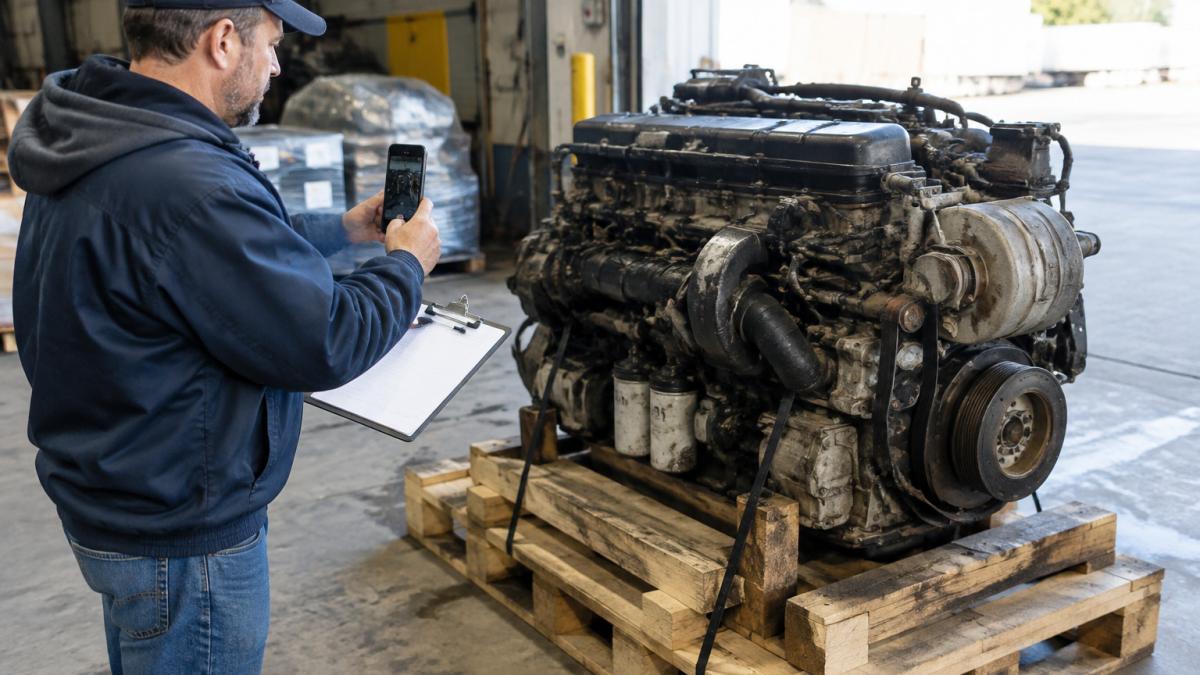
Chain of custody matters just as much. Record who handled the engine at each step, from the seller's facility to the carrier's dock to the final receiving site. Keep a signed bill of lading and a copy of the condition report. If a dispute comes up, a clear trail of signatures and timestamps makes the claim far easier to support.
A practical checklist for pickup:
- Photograph all four sides, the top and the data plate
- Note any fluid stains, cracked fittings or missing caps
- Record the odometer or hour meter reading if the engine was installed before removal
- Get the seller and driver to sign the condition report together
- Keep digital copies of every document for at least the claim window
How to Ship an Engine: Preparing It for Freight
Preparation starts well before the truck arrives. The goal is to remove fluids that could leak, seal every opening and secure the engine so it cannot move on the pallet. Careful prep can prevent many of the most common claims.
Begin by draining the engine fluids. Remove the oil and coolant completely, and drain fuel residue from the system. Leftover fluids are one of the most frequent causes of messy freight damage and can also trigger carrier restrictions.
Draining fluids, cleaning and capping ports
Once the fluids are drained, clean the exterior so you can spot leaks later. Wipe away old oil and grime, then check for any fresh wetness after the drain. Cap or tape every port, including intake, exhaust, sensor and fuel openings. Use plugs rated for the job, not loose rags that can slip out.
A few steps are easy to overlook:
- Replace drain plugs with new or tightened hardware
- Bag and tag small parts so they stay with the engine
- Seal electrical connectors with protective covers
- Note any port that has no cap and fix it before loading
Engine Shipping Pallet and Crate Options Compared
The right base depends on the engine's size, value and the freight method. A sturdy pallet works for many shipments, but a crate gives better protection for higher-value or more fragile units. The table below summarizes the main options.
| Option | Best For | Protection Level | Typical Drawback |
|---|---|---|---|
| Heavy-duty wood pallet | Standard shipments, LTL freight | Moderate | Limited against impacts |
| Engine shipping crate | High-value or long-distance moves | High | Adds weight and cost |
| Pallet with frame and cover | Engines needing side protection | Moderate to high | Requires more setup time |
| Custom-fitted cradle | Specialty or sensitive units | Very high | Usually the most expensive |
Regardless of base, secure the engine with straps and blocking so it cannot slide. Confirm the pallet can carry the engine's full weight with a margin, and mark the load clearly as heavy so handlers use the right equipment.
Choosing Freight Method and Understanding Carrier Liability
LTL and dedicated freight behave very differently, and the method you pick changes both the handling exposure and who is on the hook when something breaks.
Pricing reflects those differences. LTL quotes depend on weight, freight class, distance and accessorial charges such as liftgate service, residential delivery, inside delivery and appointment scheduling. Confirm the freight class on the quote rather than assuming.
Carrier liability is the issue most buyers get wrong. Under standard motor-carrier terms, a carrier's liability for cargo loss or damage is limited unless you declare a higher value or buy separate cargo insurance.
Before you book, confirm coverage in writing:
- Ask the carrier or broker what the default liability limit is per shipment and per pound, and get the answer in writing.
- Decide the declared value based on the engine's replacement cost, not just the invoice price, include freight, crating and the cost of a replacement unit.
- Ask whether the quoted rate includes cargo insurance or whether it is a separate line item, and who the insurer is.
- Read the exclusions: most cargo policies exclude or limit coverage for pre-existing defects, insufficient packaging, and damage from improper blocking or bracing.
- Confirm whether the policy pays actual cash value or replacement cost, and whether there is a deductible.
- Keep a copy of the certificate of insurance and the bill of lading with the declared value before the truck arrives.
Watch out: a carrier that says "you're covered" verbally is not the same as a certificate of insurance naming the shipment and value. If the declared value is left blank or marked "N/A," expect the carrier to apply its default limit.
Method choice also affects claim odds. Every additional terminal transfer is another opportunity for a forklift to clip a housing or a strap to loosen.
When an Engine Arrives Damaged: Inspection and Claim Steps
The arrival window is where most used-engine claims are won or lost. The driver is required to give you a reasonable opportunity to inspect before you sign, and what you write on the delivery receipt becomes the foundation of any later claim.
On arrival day, do the following before the driver leaves:
- Inspect the engine and packaging before signing anything. Look for crushed or wet packaging, shifted or broken pallets, cracked housings, bent brackets, missing caps and fresh fluid stains.
- Note every visible exception on the delivery receipt in specific language, for example, "pallet corner crushed, oil residue on crate floor, bell housing cracked", rather than a generic "damaged." A vague note is easy for a carrier to dispute.
- Photograph the packaging, the pallet, the engine from all sides, the data plate and serial number, and any damage close-up. Take a short video of the unloading if the receiver allows it.
- If the driver will not wait for a full inspection, sign as "subject to inspection" and note the reason, then inspect immediately after the truck leaves and document the time.
- Keep the packaging, pallet, straps and blocking material until the claim closes. Carriers and insurers routinely ask to inspect the original packaging, and discarding it can weaken or void a claim.
Concealed damage, damage you cannot see until the crate is opened or the engine is unwrapped, follows a different path. Most carriers require written notice of concealed damage within a short window after delivery, often stated on the bill of lading or the carrier's tariff.
A practical claim workflow:
- Send written notice to the carrier and broker within the window stated on the bill of lading, and keep proof of the timestamp.
- Submit the delivery receipt with your exception notes, the bill of lading with the declared value, the condition report and photos from pickup, arrival photos, and an itemized repair or replacement estimate.
- Separate transit damage from pre-existing conditions in your write-up. Point to the dated pickup photos and condition report to show what was already worn, cracked or missing before the engine shipped. This is the single most effective way to keep a carrier from denying a legitimate claim as "pre-existing."
- Ask the carrier for a written acknowledgment and a claim number, and follow up in writing if you do not receive one.
- Keep every email, photo, receipt and inspection report until the claim is paid or formally denied.
Watch out: signing a clean delivery receipt and then discovering damage after the driver leaves shifts the burden onto you to prove the damage happened in transit. The exception note on the receipt is the cheapest insurance you have.
If the carrier denies the claim, request the denial in writing and cite the specific policy exclusion relied on.
Scheduling Your Next Engine Delivery With DieselEngineKing
Planning ahead makes every step smoother. At DieselEngineKing, we help buyers match the right engine to their truck, verify its configuration and arrange nationwide freight shipping to a repair facility or commercial address. Our process includes detailed testing information and photographs or video, so you know what you are receiving before it leaves.
For example, the 2018 Detroit DD15 Engine for Sale EPA17 is listed at $13,500.00 with a 6-month warranty and a run video. Other units, such as the 2020 Cummins X15 Engine for Sale 565HP CPL 4343 at $19,000.00, come with a 6-month warranty and a verification video.
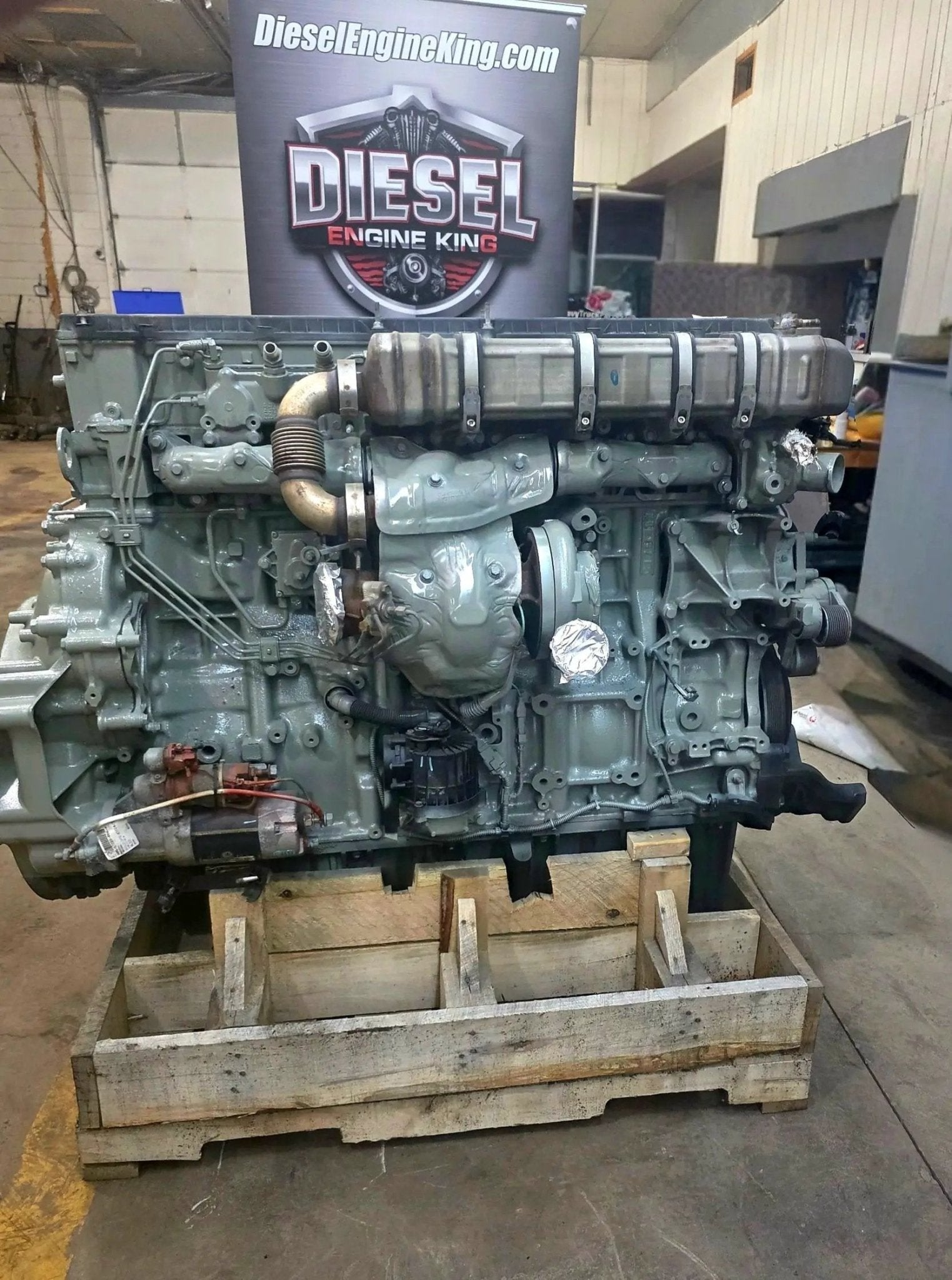
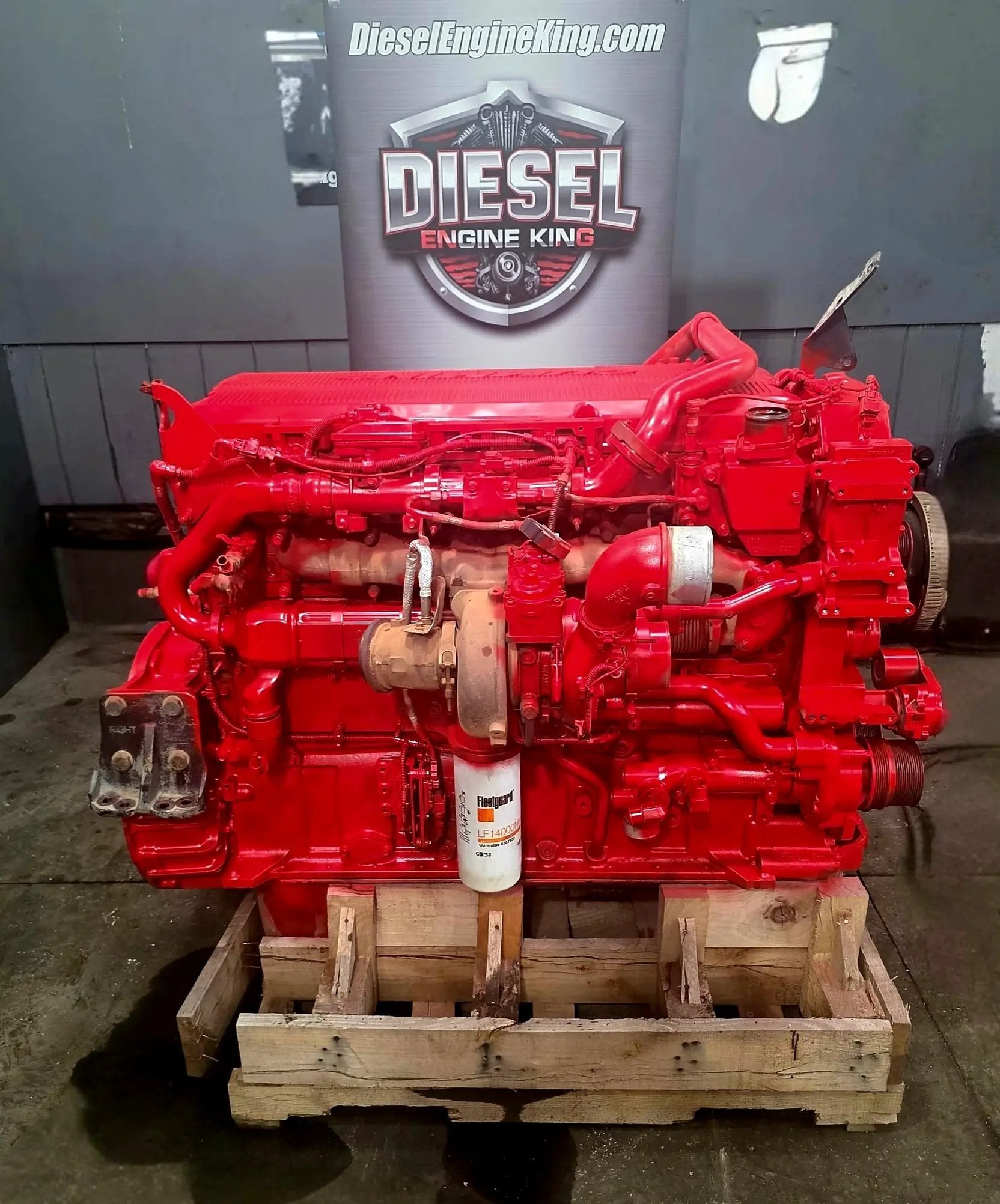
Ready to plan your next delivery? Contact the DieselEngineKing team to confirm fitment, get a freight quote and schedule shipping that fits your timeline.
Frequently Asked Questions
How can I ship a used diesel engine safely by freight?
Document the engine's condition with dated photos and video before pickup, drain oil, coolant and fuel as far as practical, cap every port and opening, and secure the engine to a pallet or crate with blocking and straps. Ask the carrier for a freight quote that states liability limits, and consider declaring the engine's full value so a damage claim covers its replacement cost rather than a standard per-pound amount. Keep the bill of lading and signed condition notes with your records.
What should I check when a used engine is delivered by freight?
Inspect the crate or pallet before signing, noting any crushed corners, wet packaging or forklift marks on the delivery receipt. Unpack under the driver's observation if possible, then compare the engine's serial number and configuration with your order. Check capped ports, sensors and wiring for cracks or breaks, and photograph everything before moving the engine. Any damage noted on the bill of lading strengthens your claim.
What should I do if a used engine arrives damaged?
Do not refuse the shipment or discard packaging. Note the damage on the delivery receipt, photograph it from several angles, and report it to the carrier within the time window stated in your freight contract, which is often short. File a written damage claim with the carrier and the shipper, include your photos, condition reports and purchase documents, and keep the engine and packaging unaltered until the claim is resolved.
Does a diesel engine need to be drained before shipping?
Yes, drain the engine oil, coolant and fuel as completely as practical before shipping. Residual fluids leak during handling, can contaminate other freight and may create hazardous-materials issues. Cap the fuel, oil and coolant openings afterward, and check for leaks before the engine is loaded. Confirm your carrier's requirements for fluid-containing components, since some freight classes restrict them.


